Znail Valley parent, educator & librarian guide
Choose a book by child need.
Start with the child-sized moment in front of you—not a label. This guide matches eight Znail Valley stories to the words, worries, questions and possibilities children may be carrying.
The short answer
Which book fits what a child needs right now?
Choose the story whose opening problem sounds most like the child’s present moment. The match does not have to describe the whole child—or solve the whole problem.
Read the story first. Let the child notice, laugh, wonder or simply listen. Afterward, offer one low-pressure question connected to what the characters did. A spoken answer is only one way to participate; pointing, drawing, moving, choosing or passing all count.
Eight moments · eight ways in
What are you seeing or hearing?
The language below describes observable moments rather than diagnosing a child. Begin with the closest fit, then follow the story wherever it goes.
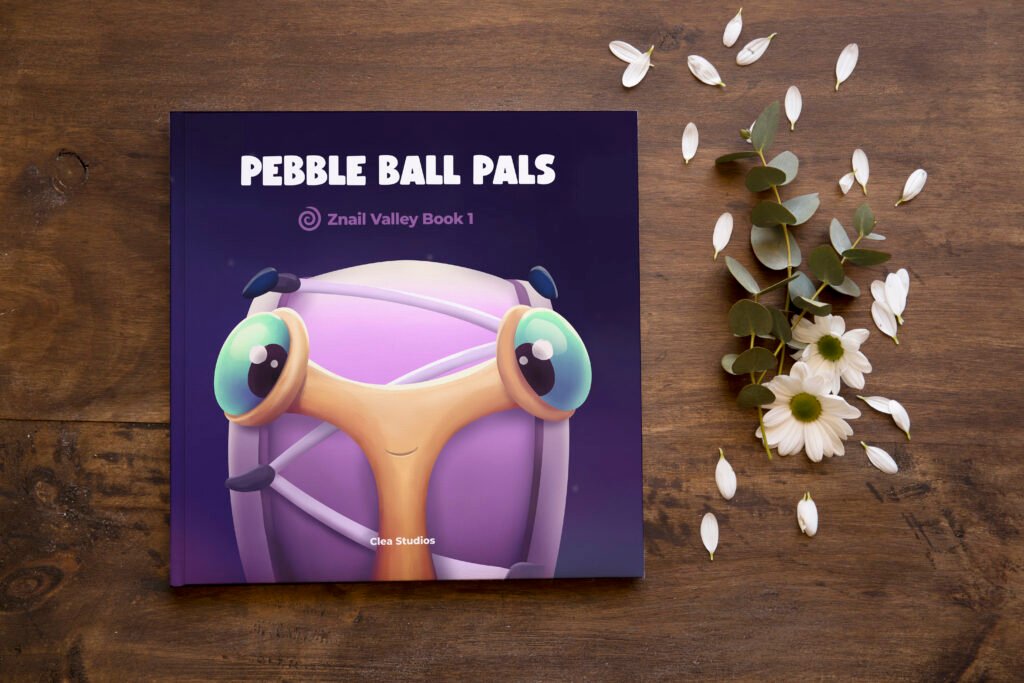
When a child feels left out
“Do they want me here?”
Book 1 · Pebble Ball Pals
Choose this story for exclusion, belonging and recognizing friendship through observable actions. Lee’s hurt matters, and one group’s rejection does not erase every caring relationship nearby.
After reading: “What did Lily, Flicker or Betsy do that gave Lee a friendship clue?”
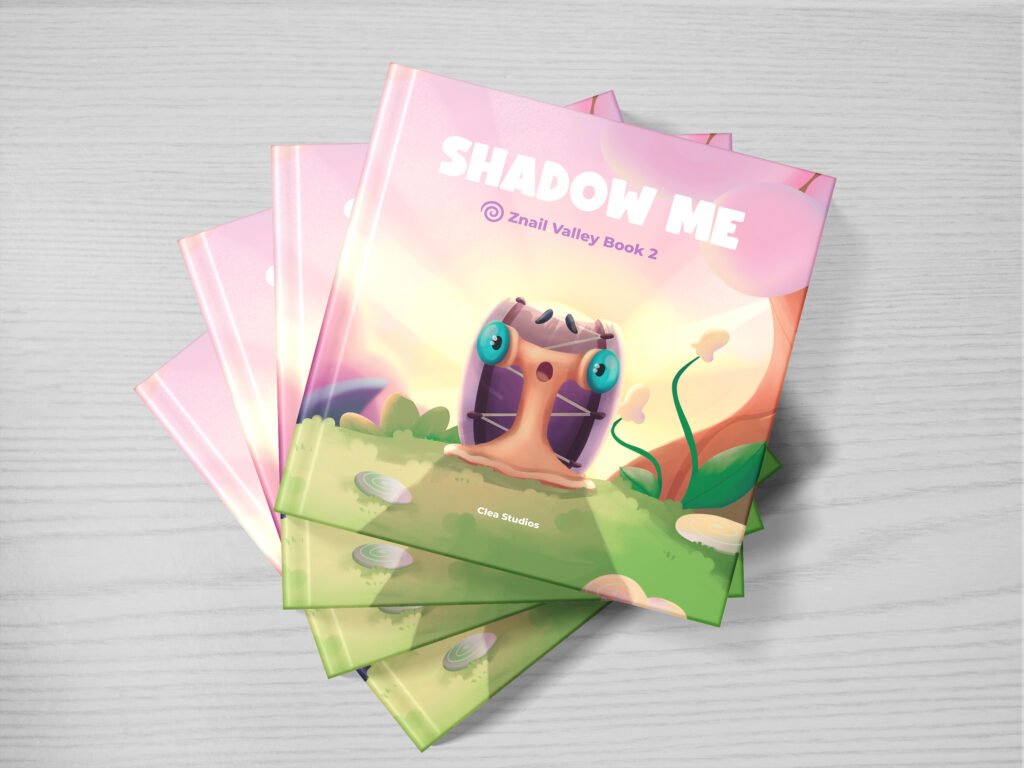
When something looks frightening
“What if that shape is dangerous?”
Book 2 · Shadow Me
Choose this story for fear of shadows, nighttime shapes or unfamiliar things. Lee finds safety with Flicker, then observes and tests the shadow when they are ready.
After reading: “What changed when Lee looked from a safe distance and tested one idea?”
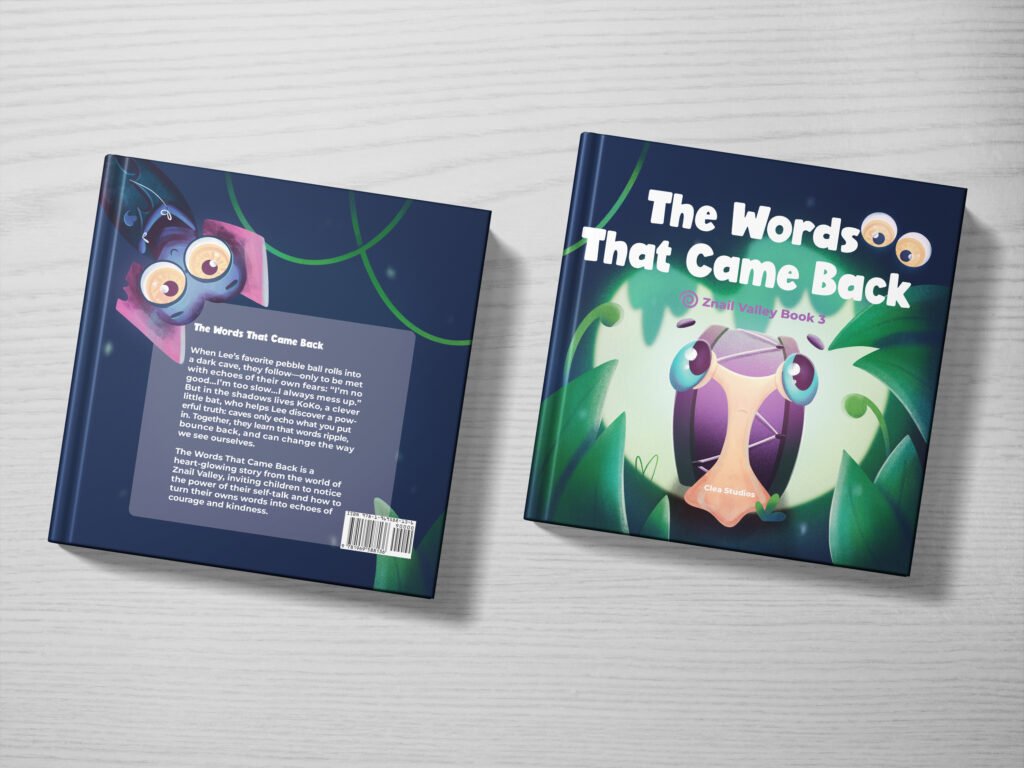
When one mistake becomes an identity
“I always mess up.”
Book 3 · The Words That Came Back
Choose this story for harsh self-talk after a mistake. KoKo helps Lee separate what happened from who they are and try words that are accurate, kind and useful.
After reading: “Which words tell the truth and still make room for a next step?”
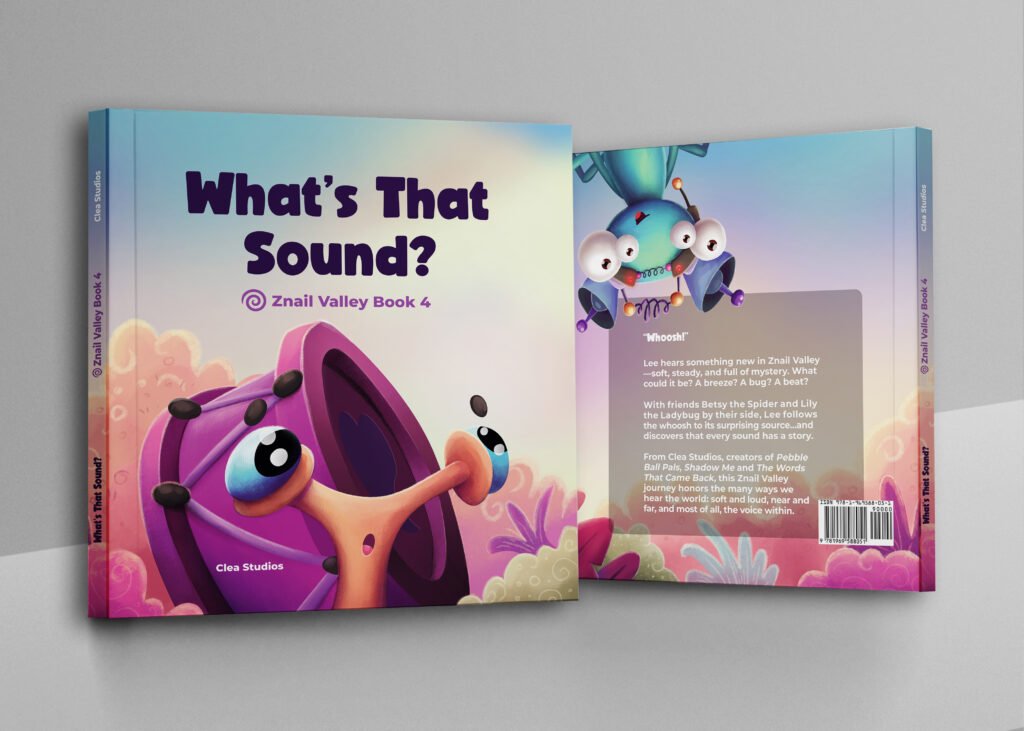
When listening and being heard both matter
“Did anyone notice my voice?”
Book 4 · What’s That Sound?
Choose this interactive mystery for listening carefully, investigating sound and showing that the child’s voice changes the story. Voices may be spoken, signed, drawn, tapped, moved or shared later.
During reading: “What clues did the sound give us—and whose idea changed where we looked?”
When the first guess feels like the only answer
“I know what it is!”
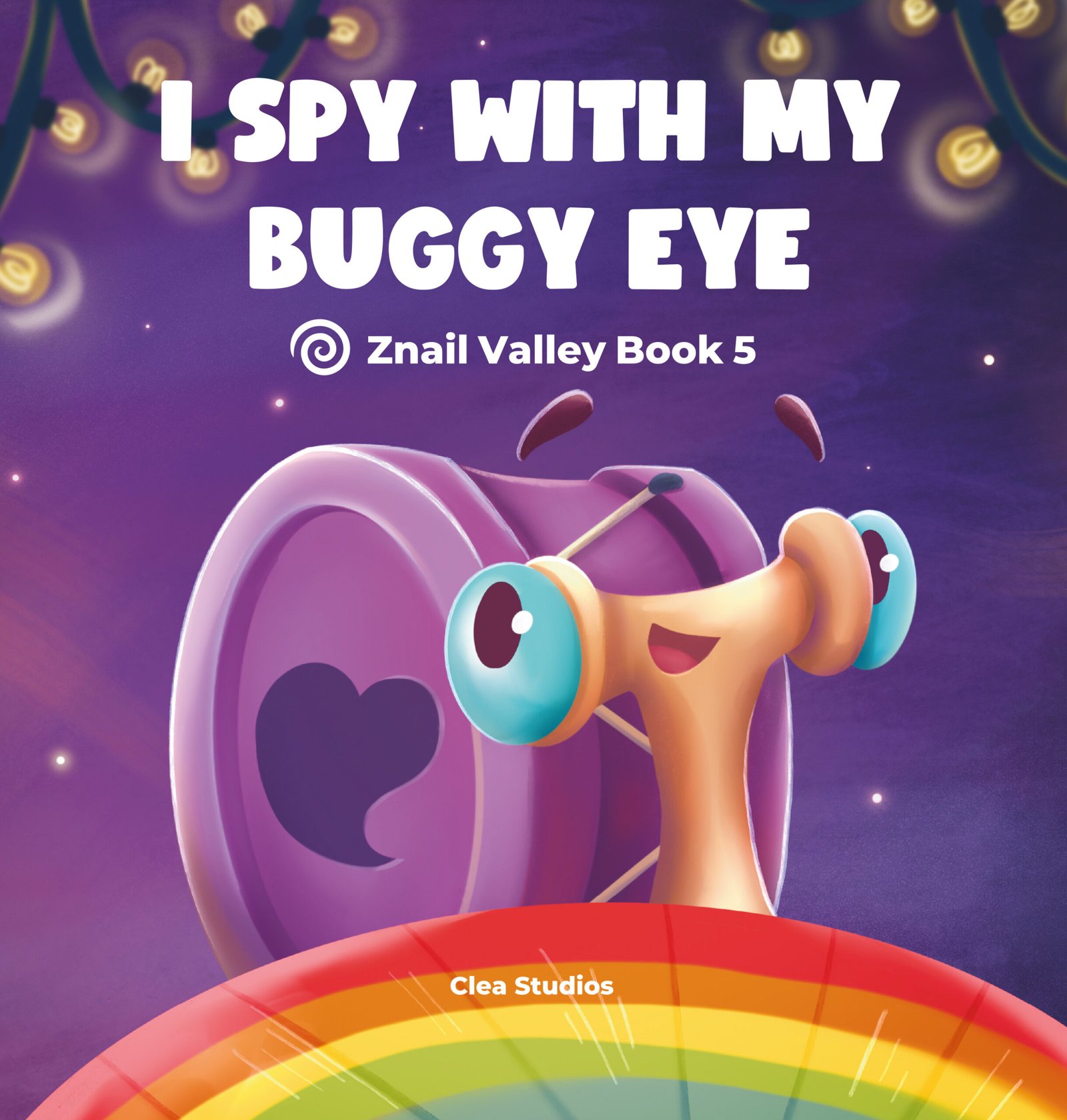
Book 5 · I Spy With My Buggy Eye
Choose this sleepover story for observation, clues, inference and perspective. The friends look closely, guess, look again and discover that smart ideas can differ.
During reading: “What did you observe? What do you think it might mean? What clue would help us check?”
When a group needs everyone’s contribution
“What can others count on me for?”
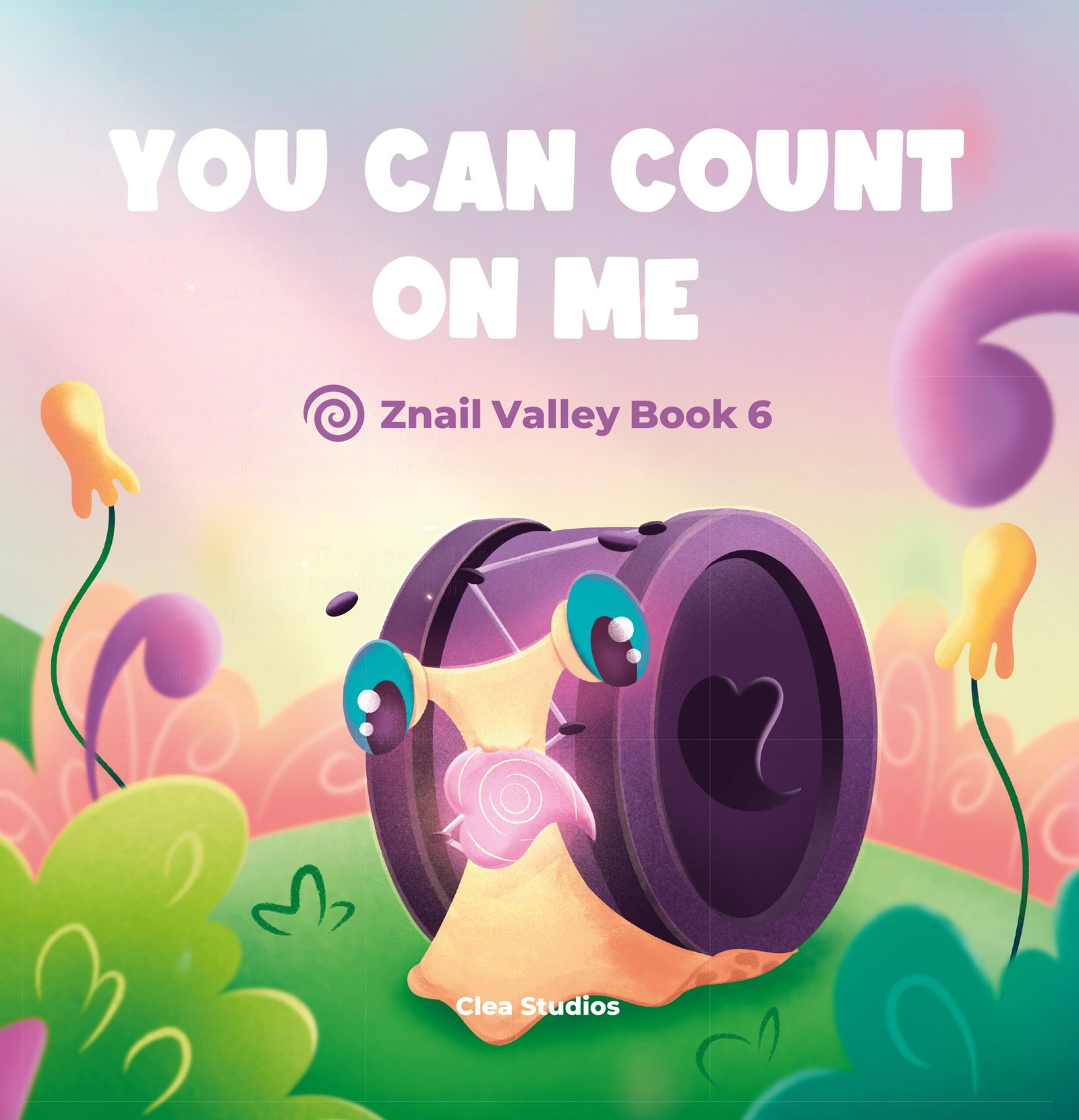
Book 6 · You Can Count on Me
Choose this adventure for counting from one to ten, teamwork and dependability. Lee, Betsy, Lily and Flicker each bring a different strength to finding the Seeds of Creativity.
After reading: “What did each friend contribute—and what changed because they followed through?”
When an idea is still shy, strange or forming
“I’m not ready to explain it.”
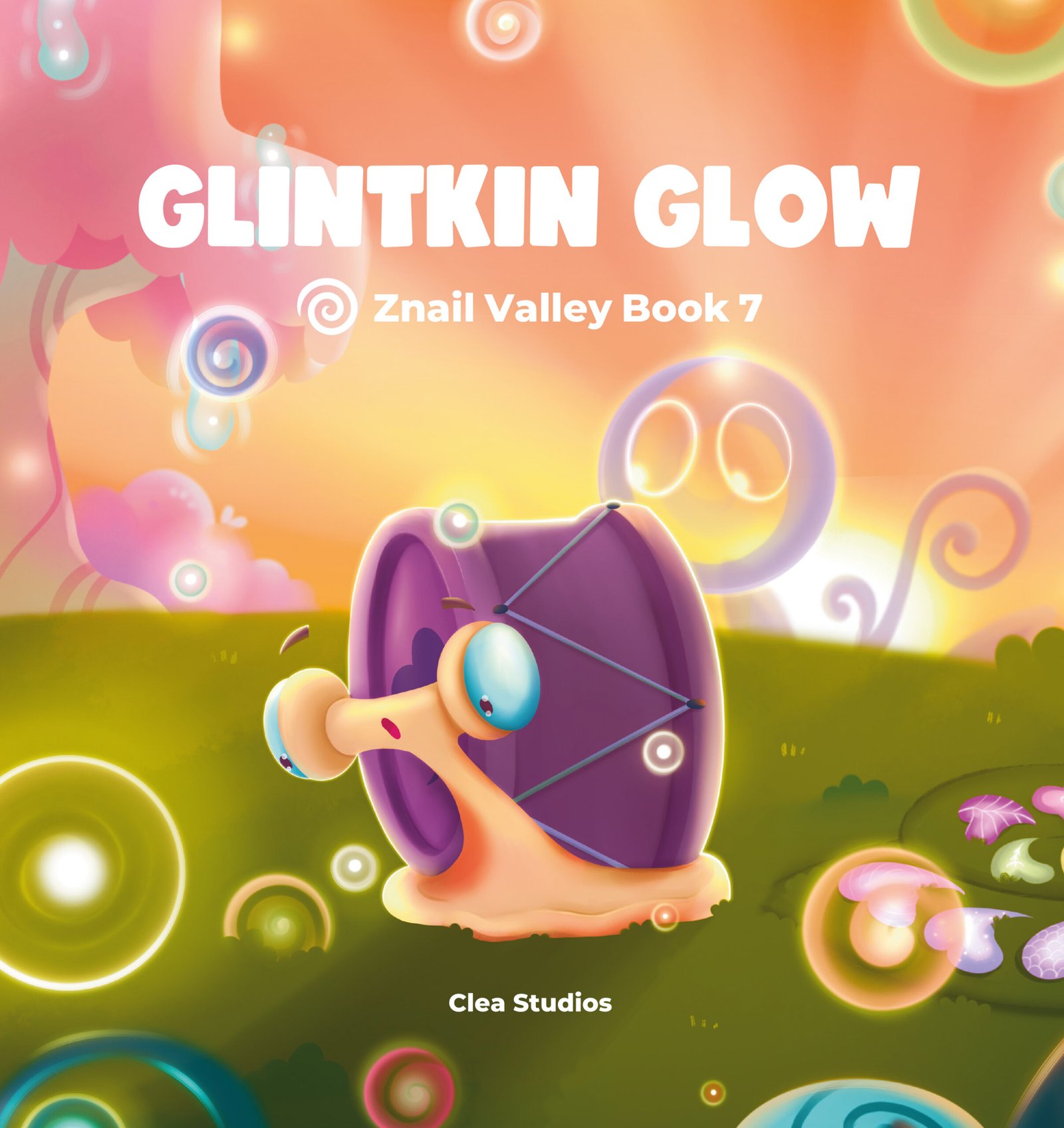
Book 7 · Glintkin Glow
Choose this story when creativity needs less pressure and more room. The friends learn from experiments that the Glintkin return with quiet, shelter and protection—not control.
After reading: “What changed: the idea, or the space around it?”
When feelings are big, mixed or hard to name
“I feel bad. I don’t know.”
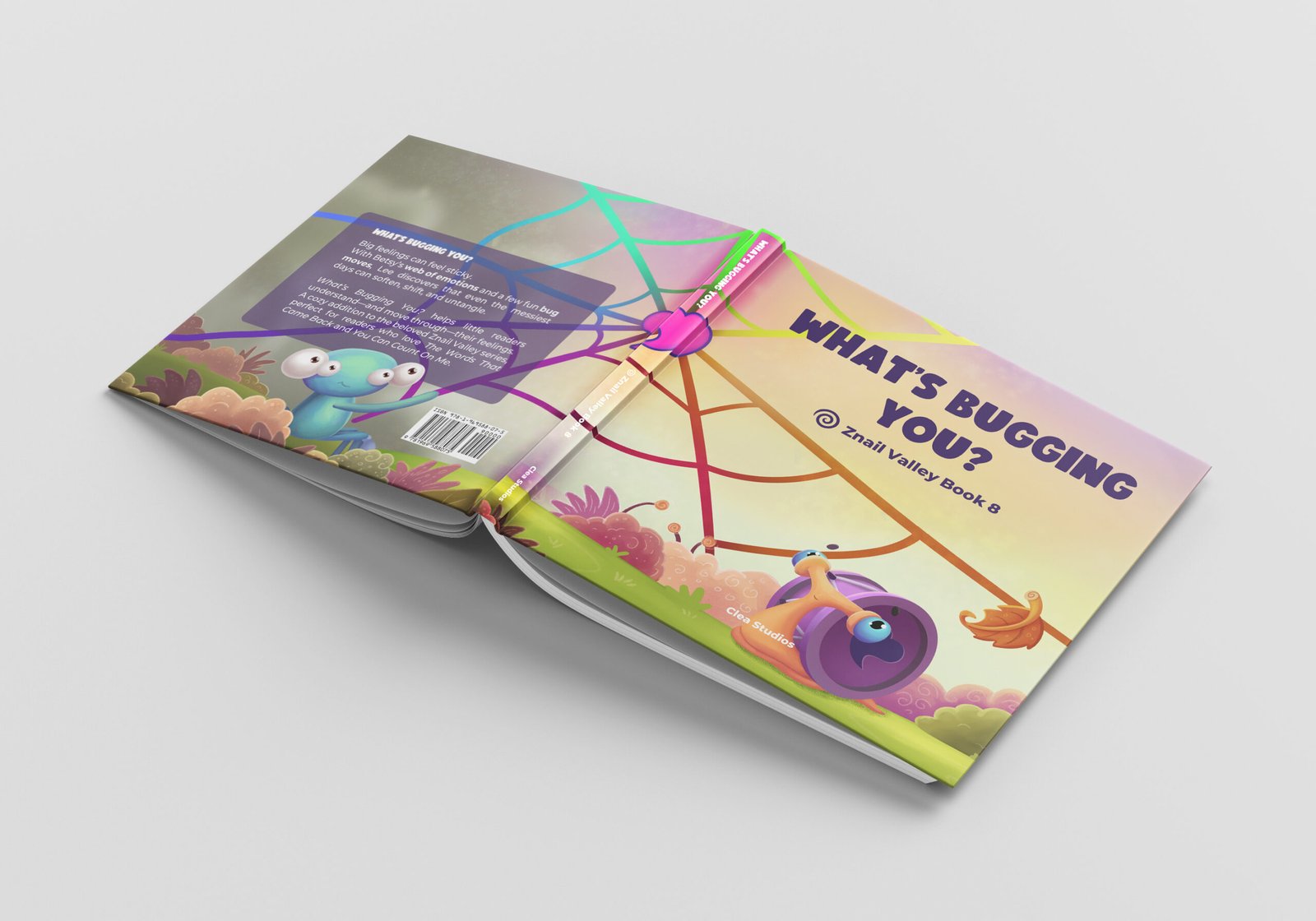
Book 8 · What’s Bugging You?
Choose this story for body clues, feeling words, coping choices and checking again. Betsy offers possibilities; Lee decides what fits and notices that different Bug Moves work differently.
After reading: “What did Lee notice before and after each Bug Move?”
A simple reading sequence
How do I use a book without turning it into a lesson?
- Notice the present moment.Use the child’s words or actions: “The shadow looks scary,” “Nobody wants me,” or “I ruined everything.”
- Choose the closest story—not a perfect match.One book can open a conversation without explaining every part of what is happening.
- Read for the story first.Let surprise, humor, sound, art and character reactions do their work before adding adult explanation.
- Offer one real question.Ask about something the character noticed, tried or changed. Accept words, pointing, drawing, movement, choosing or passing.
- Return only if it helps.A favorite line, picture or character move can become shared language later. Repetition is an option, not an assignment.
Questions parents and educators ask
What if choosing is not obvious?
What if more than one book fits?
Choose the book that matches the most immediate moment, or let the child choose between two covers or short descriptions. The books stand alone, and another story can be read later if it remains relevant.
Do the Znail Valley books need to be read in order?
No. Books 1–8 share a world and recurring characters, but each story can be read on its own. Reading in order adds familiarity rather than being required for understanding.
What if the child does not want to talk after reading?
Listening is participation. The child can point to a picture, choose between two prompts, draw, move like a character, revisit the book later or pass. A conversation does not have to happen immediately for the story to matter.
Can this guide be used with a whole class or storytime group?
Yes. Introduce the story as a shared question rather than identifying one child as the reason for the choice. Invite several response modes and use only one or two prompts so the read-aloud keeps its story rhythm.
Are these books a therapy program or a validated curriculum?
No. They are picture books and story-connected educational resources. CASEL and learning connections describe useful alignments; they are not claims of clinical treatment or independently validated outcomes.