Small moments.Useful ways in.
Practical, story-connected guidance for the moments children are making sense of friendship, fear, self-talk, feelings, listening and what they notice.
Start with the need
Three paths into the collection
Each page answers a specific grown-up question, offers language that protects the child’s dignity and includes something practical to try. Choose the moment that sounds closest; there is no required sequence.
Relationships & belonging
Help children notice friendship in action, listen before deciding and understand that every voice deserves attention.
Emotions & resilience
Meet fear, self-criticism and tangled feelings with safety, accurate words, choice and manageable next steps.
Curiosity & learning
Practice separating clues from guesses, comparing perspectives and changing an idea when new evidence appears.
The resource collection
Find the moment that fits.
Relationships & belonging
Begin with what children can observe: who makes room, who listens, how meaning is checked and whether different people can participate in different ways.
 BOOK 1
Parent & educator guide
How Children Recognize Friendship
Help a child notice the observable clues of friendship: inclusion, back-and-forth, interest, respect, repair and being different together.
Explore friendship clues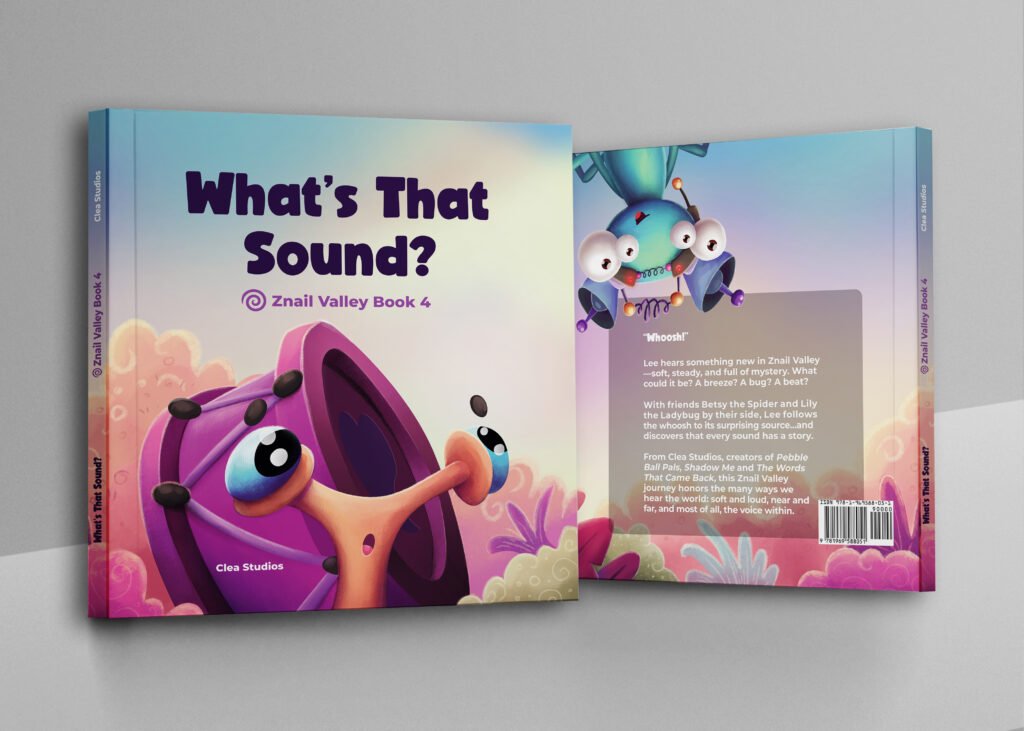 BOOK 4
Parent, educator & librarian guide
Listening Carefully and Valuing Every Voice
Practice listening before guessing, investigating unfamiliar sounds and making room for quiet, unexpected and non-speaking voices.
Listen more closelyEmotions & resilience
Start with safety and connection, then help the child notice what is happening, choose language that fits and try one next step without demanding instant calm or positivity.
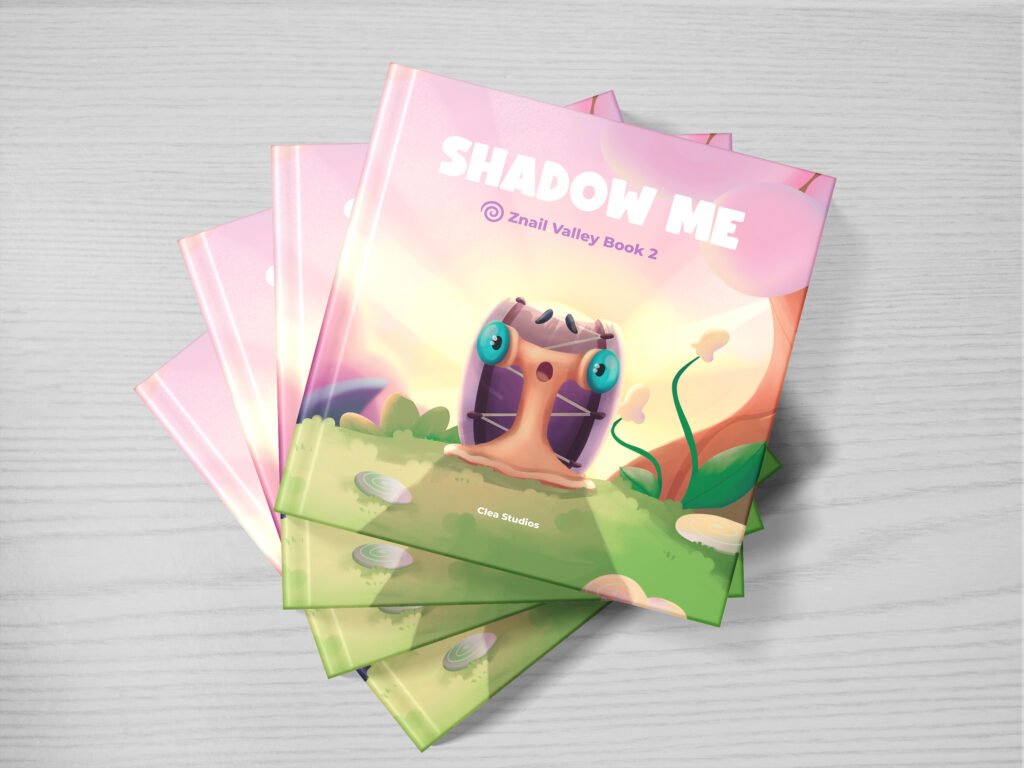 BOOK 2
Parent & educator guide
Understanding Fear and the Unknown
Validate the fear, find a safe distance and help a child move from a frightening guess toward observable clues and one small test.
Explore fear with curiosity BOOK 3
Parent & educator guide
Responding to Harsh Self-Talk
Hear the feeling beneath “I’m stupid” or “I’m bad,” separate the event from the child’s identity and find words that are accurate, kind and useful.
Find words for the moment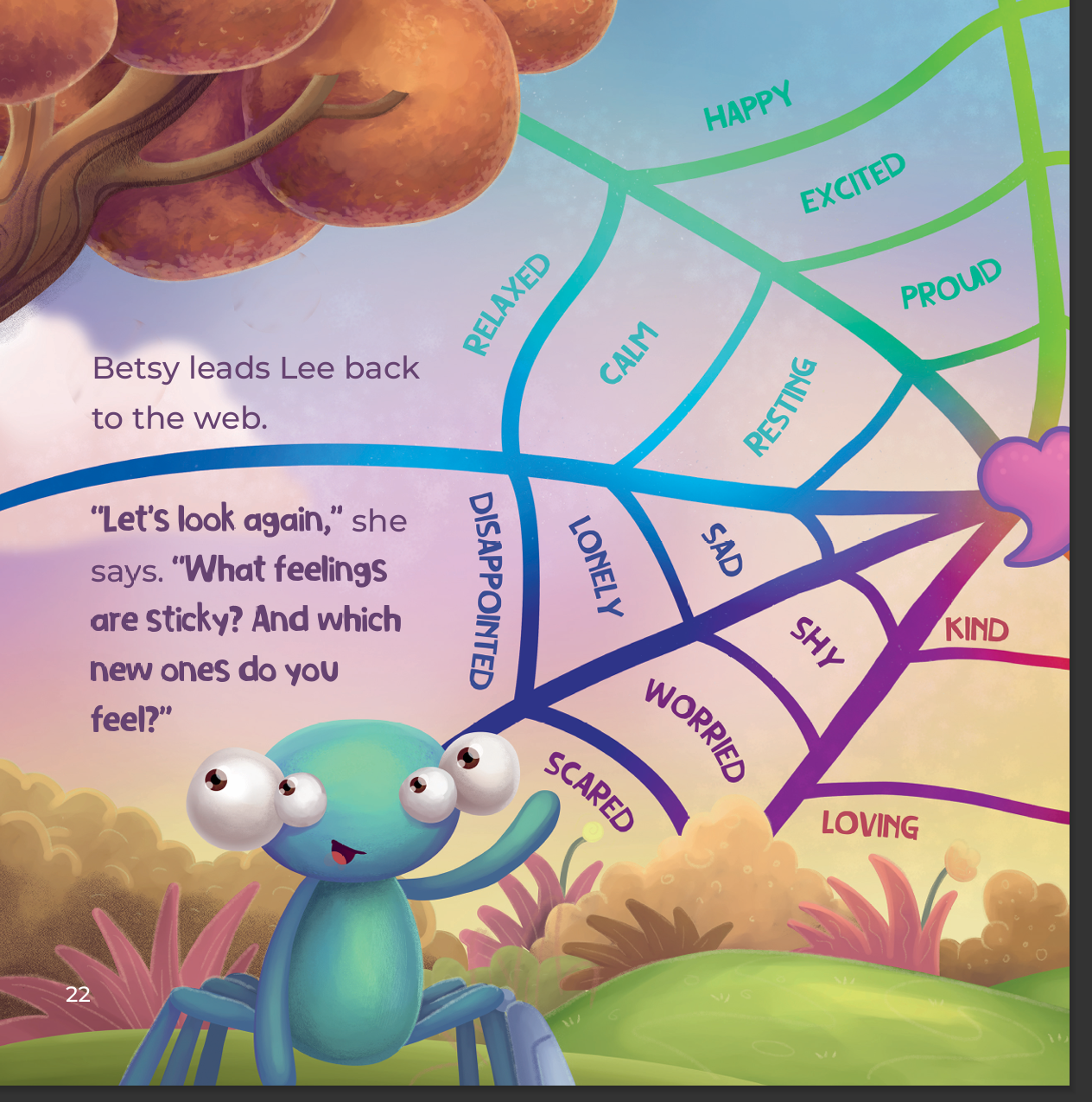 BOOK 8
Parent & educator guide
Helping Children With Tangled Feelings
Begin with body clues, offer a few possible feeling words, let the child decide what fits and treat each coping strategy as an experiment. More than one feeling can belong.
Untangle feelings togetherCuriosity & learning
A ready-to-use lesson for helping children look first, guess second and look again—while treating revision as strong thinking rather than failure.
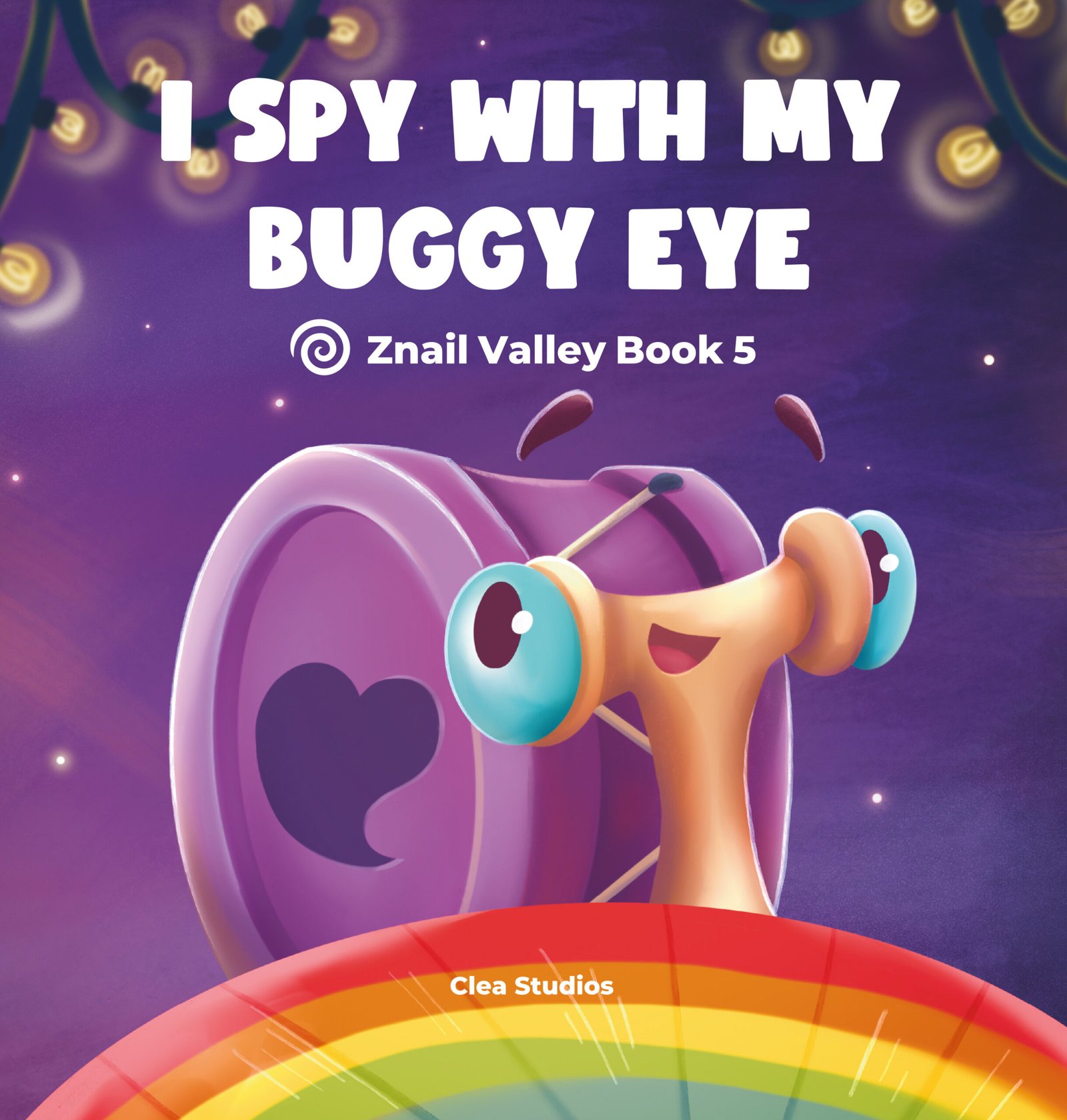 BOOK 5
Educator & librarian lesson
Observation, Perspective and Looking Closely
A complete read-aloud lesson with objectives, materials, stopping points, guided discussion, active practice, reflection, differentiation, home connection and standards alignment.
Plan the observation lessonUse what fits
Built for real children and real settings.
These are flexible tools, not scripts children have to perform. Spoken answers are only one way to participate.
Parents and caregivers
Start with the short answer and the language for the moment. Try the activity later, when there is more room.
Teachers and school teams
Use a prompt, routine or activity in a read-aloud, morning meeting, quiet check-in or small group.
Librarians and storytime leaders
Pair the related book with selected stopping points and one low-material activity. Children can speak, point, draw, move or pass.
Small bugs · big ideas
A story can open the conversation. A useful question can keep it going.
Explore the picture books behind the resources, then return whenever a child’s next real-life moment needs a way in.