Helping Children With Tangled Feelings
When a child cannot name one neat emotion, begin with what their body is telling them. Offer a few feeling possibilities, let them choose what fits, try one regulating action and check again.
Try the five-part check-in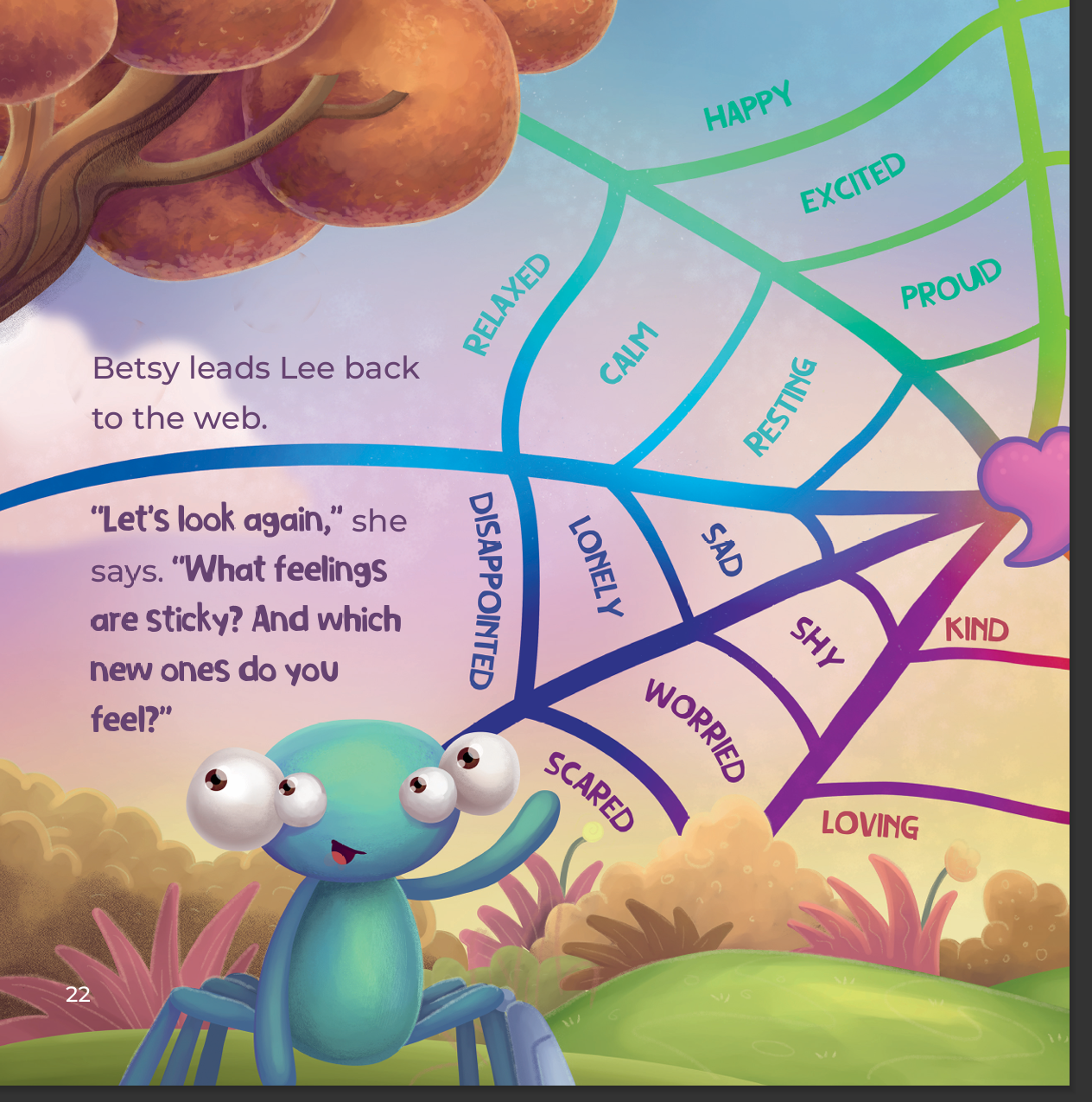
A child does not need the perfect word before support can begin.
Start with a body clue: heavy shoulders, a wobbly tummy, tight hands, fast breathing, a hot face or the wish to hide. Then offer two or three possible feeling words without deciding for the child.
More than one feeling can fit. The goal is useful noticing—not a quiz, a forced label or instant cheerfulness.
“Something feels tangled. Where do you notice it in your body? Could it be sad, worried, frustrated—or something else?”
Tangled feelings often arrive as clues before words.
A child may be feeling several things at once, may not yet know the words or may have too much happening inside to explain. Look for changes from that child’s usual pattern.
Body clues
Heavy, tight, shaky, hot, buzzy, wobbly, tired or unable to settle.
Mixed messages
Laughing while upset, wanting closeness and space, or saying “fine” while withdrawing.
One word for everything
“Mad,” “bad,” “weird” or “I don’t know” may be the nearest available label.
A sudden hard moment
A small disappointment may land on top of hunger, worry, tiredness or an earlier hurt.
Action before explanation
Hiding, freezing, yelling, rushing away or repeating the same motion can come before a story about why.
Words that change
The first label may not be the last. New words can become available after the child feels safer or calmer.
Notice. Name. Choose. Check. Continue.
This sequence gives parents and educators a concrete way to help without taking over the child’s experience.
1. Notice a body clue
“Your hands are tight and your shoulders are high. What do you notice?” Pointing, demonstrating or passing are all valid responses.
2. Offer feeling possibilities
“Could this be frustrated, worried, sad—or another feeling?” Use possibilities instead of telling the child what they feel.
3. Choose one action
Offer a small menu: stretch, wiggle, press feet into the floor, rest, drink water, ask for quiet or stay close to a trusted adult.
4. Check again
Ask what changed: “Is it the same, bigger, smaller or different?” A coping action can help a little, a lot or not at all.
5. Take the practical next step
Once the child has more room to think, help with what happened: repair the object, solve the problem, request help, set a boundary or rest longer.
The Feelings Web Check-In
Make room for several possible feelings and let the child decide what belongs.
- Time
- 5–10 minutes
- Materials
- Paper and colored pencils, yarn or crayons
- Draw a loose web, swirl or cluster of crossing lines.
- Add feeling words, colors, faces or symbols that might fit. Leave blank spaces for “something else” and “not sure.”
- Circle, point to or place a mark beside every feeling that belongs right now.
- Choose one gentle movement or rest option to try.
- Return to the web. Add, remove or resize marks to show what changed.
Useful things an adult can say
Short prompts reduce the language demand during a hard moment. The child can answer aloud, point, draw, move or simply stay close.
“You can have more than one feeling.”
“Your body may know something before the words arrive.”
“You get to tell me whether that word fits.”
“That move did not help. That is useful information. Let’s choose again.”
“The feeling can still be here while we decide what comes next.”

A story makes the invisible tangle visible.
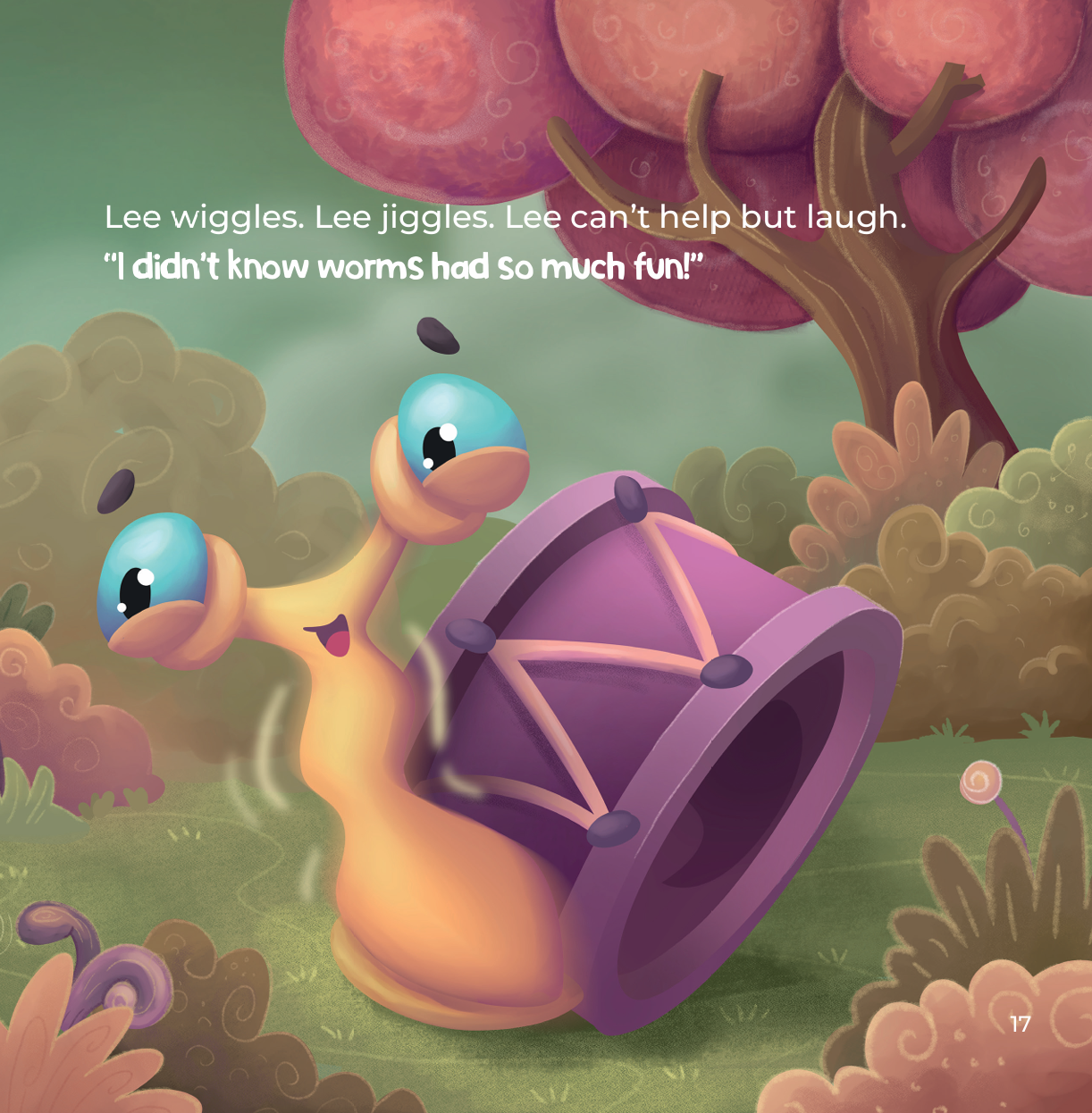
In What’s Bugging You?, Lee’s difficult day feels physically heavy. Betsy offers a Web of Emotions, but she does not decide which words belong to Lee.
Lee notices body clues, names sadness and worry, tries several Bug Moves and learns that one does not help. After rest and another look, sad feels smaller, worried feels quieter and there is room for calm and a little bravery. Later, Lee recognizes Flicker’s frustration and pairs a coping idea with practical help.
After-reading prompt: “What did Lee notice before and after each bug move?”
Reusable phrase: “Which feelings are bugging you right now—and what would you like to try?”
Regulation and problem-solving can happen together.
Helping a child settle is not the same as ignoring what caused the feeling. After connection and regulation, adults may still need to address exclusion, unfairness, conflict, sensory overload, a broken object, a demanding task or another concrete problem.
In a classroom, the same sequence can become a private check-in, a quiet-space routine or a morning-meeting practice used before hard moments—not only during them.
Questions grown-ups ask about big, mixed feelings
What if a child says, “I don’t know how I feel”?
Accept “I don’t know” as real information. Begin with body sensations or offer a few possibilities: “Does your body feel tight, heavy, buzzy or something else?” The child can point, draw, choose “not sure” or return to the question later.
Can a child feel two opposite emotions at once?
Yes. A child can feel excited and worried, proud and disappointed, or angry and loving at the same time. Naming mixed feelings can make a confusing experience easier to understand.
Does naming a feeling make it go away?
That is not the requirement. Naming can help a child understand what is happening and choose a response. The feeling may stay, shift, become quieter or be joined by another feeling.
What if the first coping strategy does not work?
Treat the result as useful information. Ask what the child noticed and offer another option. Different children—and the same child on different days—may need movement, pressure, quiet, connection, water, rest or practical help.
Should adults teach coping skills only when a child is upset?
Practice is often easier during calm moments. Stories, play, movement breaks and brief classroom check-ins let children explore the sequence before they need it in a harder moment.
Is this a lesson about controlling behavior?
It is a way to build self-awareness, choice and support. A child’s feeling is not misbehavior. Adults can protect safety and hold boundaries while remaining curious about what the child is experiencing.
Source note
These sources support developmentally appropriate opportunities to identify emotions, notice physical clues, practice social-emotional skills and build self-regulation in supportive relationships.
- CASEL: What Is the CASEL Framework?
- CASEL School Guide: Explicit SEL Instruction
- NAEYC: Teaching Emotional Intelligence in Early Childhood
- Harvard Center on the Developing Child: A Guide to Executive Function
Educational information for parents, caregivers and educators. It is not individualized medical or mental-health advice.